
Kiel
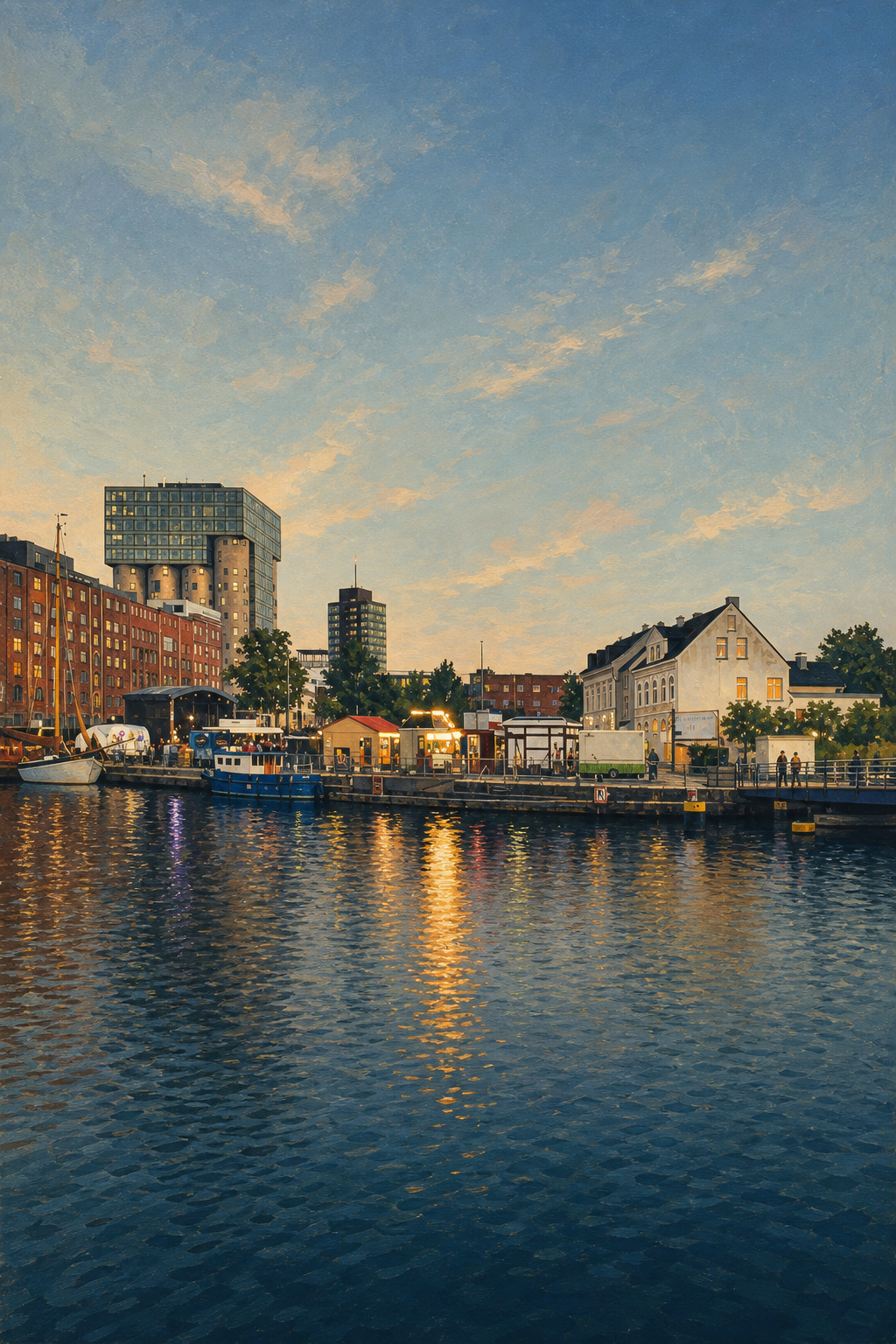
Why choose Kiel?
- Who it fits best: Solo
- Best time to go: Summer
- Ideal stay: 2-4 nights
- Weather: High impact
- Walking: Part of the experience
Kiel at a glance
A quick read on how well this destination fits different kinds of trips.
Who it fits
- Solo
- Couple
- Friends
- With kids
Best time to go
- Autumn
- Winter
- Spring
- Summer
How long to stay
- 2-4 nights
- 5-8 nights
- 9-14 nights
Kiel insights
Takeaways from real traveler experience in Kiel.
- Weather
- High impact
- Walking
- Part of the experience
- Planning effort
- Low
Discover more destinations
More from the same country, or something with a similar character.
Other destinations in Germany
Discover more about Kiel
Practical and interesting facts about the destination.
Kiel offers materially different experience families within a relatively compact urban-fjord setting: maritime and naval history, city culture, beaches and bathing areas, harbour and canal infrastructure, sailing and water activities, shopping, regional food and nearby coastal settlements. The official destination portal describes more than 30 museums and galleries and a range of city tours, walks, ship-watching and lighthouse visits.
Kiel has both active and restorative environments. The official tourism material describes Strande as a place for deceleration with walking paths, a sandy beach and maritime cuisine, and Holtenau’s Tiessenkai as a tranquil historic quay.
Kiel has visible public social life through markets, waterfront promenades, cafés, restaurants, bars, shopping, cultural events, sailing activities and sporting programmes. Schleswig-Holstein Tourism specifically describes a diverse bar landscape and a regional culinary scene.
Kiel has a visible budget layer: free or low-cost public experiences include waterfront promenades, beaches, canal and lock viewpoints, walking/cycling routes, public bathing areas and some cultural or gallery access.
Kiel is relatively legible for a fixed-base city stay: the central station, harbour, city centre, shopping area and several attractions are close together, while the Port of Kiel describes city-centre and near-station terminals as comfortable for arriving passengers.
Crowd pressure is spatially concentrated rather than uniform. The central waterfront, cruise and ferry terminals, Kiellinie, city-centre markets and major festival sites are the most likely high-contact areas, while Holtenau’s Tiessenkai, canal paths, Strande, outer beaches and some residential waterfront areas offer lower-intensity alternatives.
Kiel has a credible premium layer, although it appears more concentrated in selected hotels, waterfront restaurants, wellness properties, ferry/cruise products and bespoke maritime experiences than in a very large luxury ecosystem. The local hotel directory lists multiple four-star properties with waterfront, spa, gourmet or yacht-club positioning.
Kiel can provide lively environments through a combination of port movement, ferry and cruise traffic, shipyards, waterfront promenades, shopping, restaurants, bars, cultural events, sailing activity and sporting events. The official regional tourism source specifically describes a diverse bar landscape, while the city and destination portals maintain active event calendars.
Based on real traveler preferences (Stravl data)
Looking for something else?
554 destinations across 44 countries. Search by name or filter to browse.
Click a country to see its destinations
Want to find your own destination?
Take the quiz and see which destinations fit your mood right now.