
Santiago de Compostela
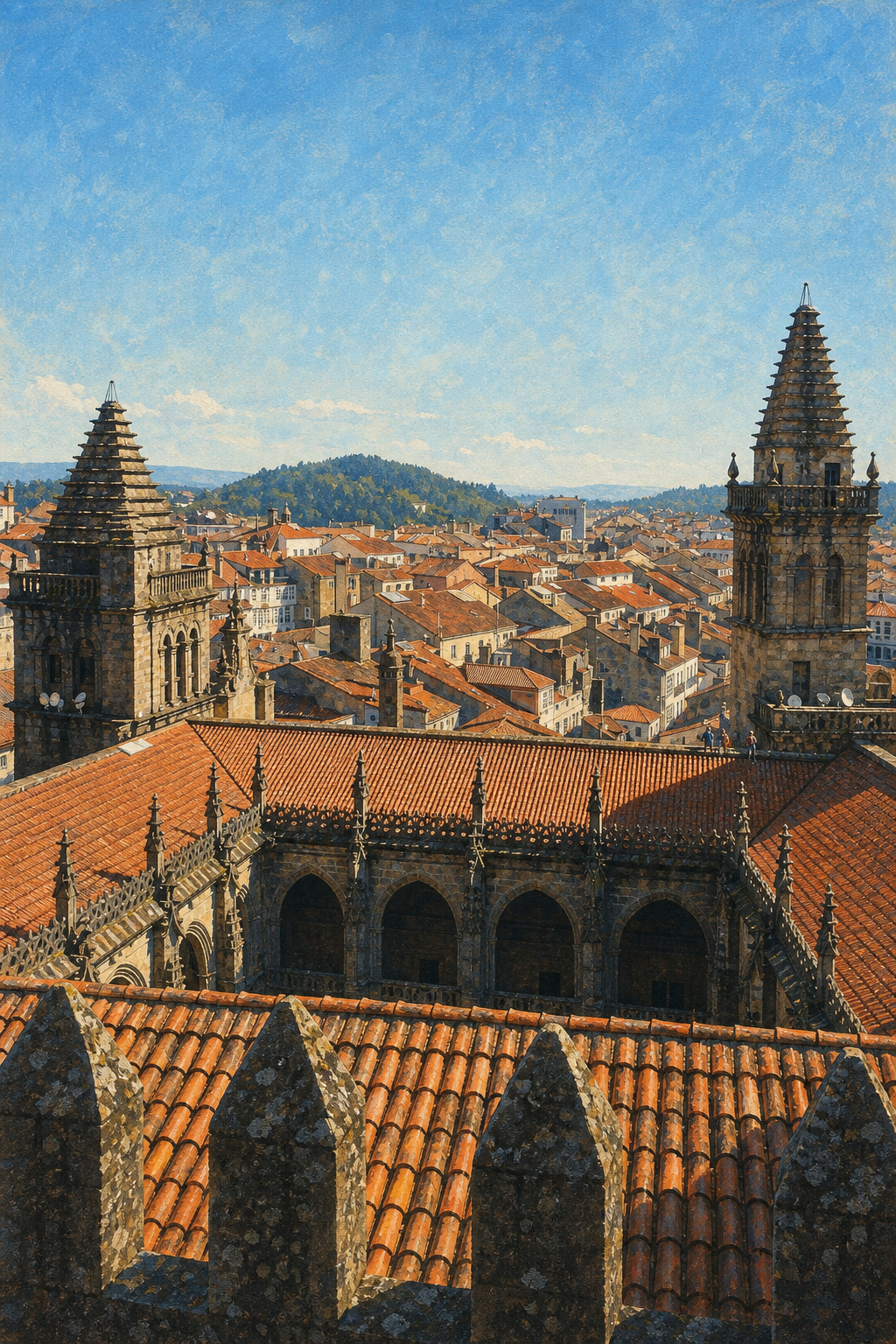
Why choose Santiago de Compostela?
- Who it fits best: Solo
- Best time to go: Spring
- Ideal stay: 2-4 nights
- Weather: High impact
- Walking: Part of the experience
Santiago de Compostela at a glance
A quick read on how well this destination fits different kinds of trips.
Who it fits
- Solo
- Couple
- Friends
- With kids
Best time to go
- Autumn
- Winter
- Spring
- Summer
How long to stay
- 2-4 nights
- 5-8 nights
- 9-14 nights
Santiago de Compostela insights
Takeaways from real traveler experience in Santiago de Compostela.
- Weather
- High impact
- Walking
- Part of the experience
- Surroundings
- Worth exploring
- Scale
- Compact
- Planning
- Recommended
Discover more destinations
More from the same country, or something with a similar character.
Other destinations in Spain
Discover more about Santiago de Compostela
Practical and interesting facts about the destination.
The destination has materially different discovery layers within a compact base: Romanesque, Gothic, Renaissance, Baroque and Neoclassical architecture; cathedral and pilgrimage heritage; museums; contemporary architecture; food market and local gastronomy; university and neighborhood life; parks, rivers, hills and viewpoints.
The destination has substantial restorative settings within and close to the normal visitor experience: Alameda, Bonaval, Belvís, Galeras, river paths, woodland, Monte Pedroso, Monte Viso, Gaiás and other parks and trails.
Santiago has multiple realistic channels for social contact: pilgrim and Camino culture, university life, cafés, tapas bars, restaurants, the food market, public squares, festivals, religious services, guided walks and cultural events.
The compact historic center is walkable, reducing the need for frequent paid local transport; the official tourism office identifies walking as the best way to move through the historic and central areas.
Santiago is structurally legible: the historic core is compact, the principal cathedral squares and monuments are connected by walkable streets, and the official tourism office describes the city as easy to understand and traverse.
Crowd pressure is not spatially uniform. UNESCO specifically identifies overcrowding around the cathedral as a management challenge, while the wider city includes parks, residential neighborhoods, rural parishes, river corridors and less central cultural sites.
The destination has directly bookable premium hospitality in several forms: the Parador in the historic Hostal dos Reis Católicos beside the cathedral; A Quinta da Auga, a boutique hotel with spa, treatments, gardens and bespoke experiences; and other four- and five-star properties.
Santiago has several forms of liveliness beyond nightlife: a large university presence, pilgrim arrivals, active central streets, market activity, restaurants and cafés, cultural programming, public squares and neighborhood festivals.
Based on real traveler preferences (Stravl data)
Looking for something else?
554 destinations across 44 countries. Search by name or filter to browse.
Click a country to see its destinations
Want to find your own destination?
Take the quiz and see which destinations fit your mood right now.