
Belfast, Northern Ireland
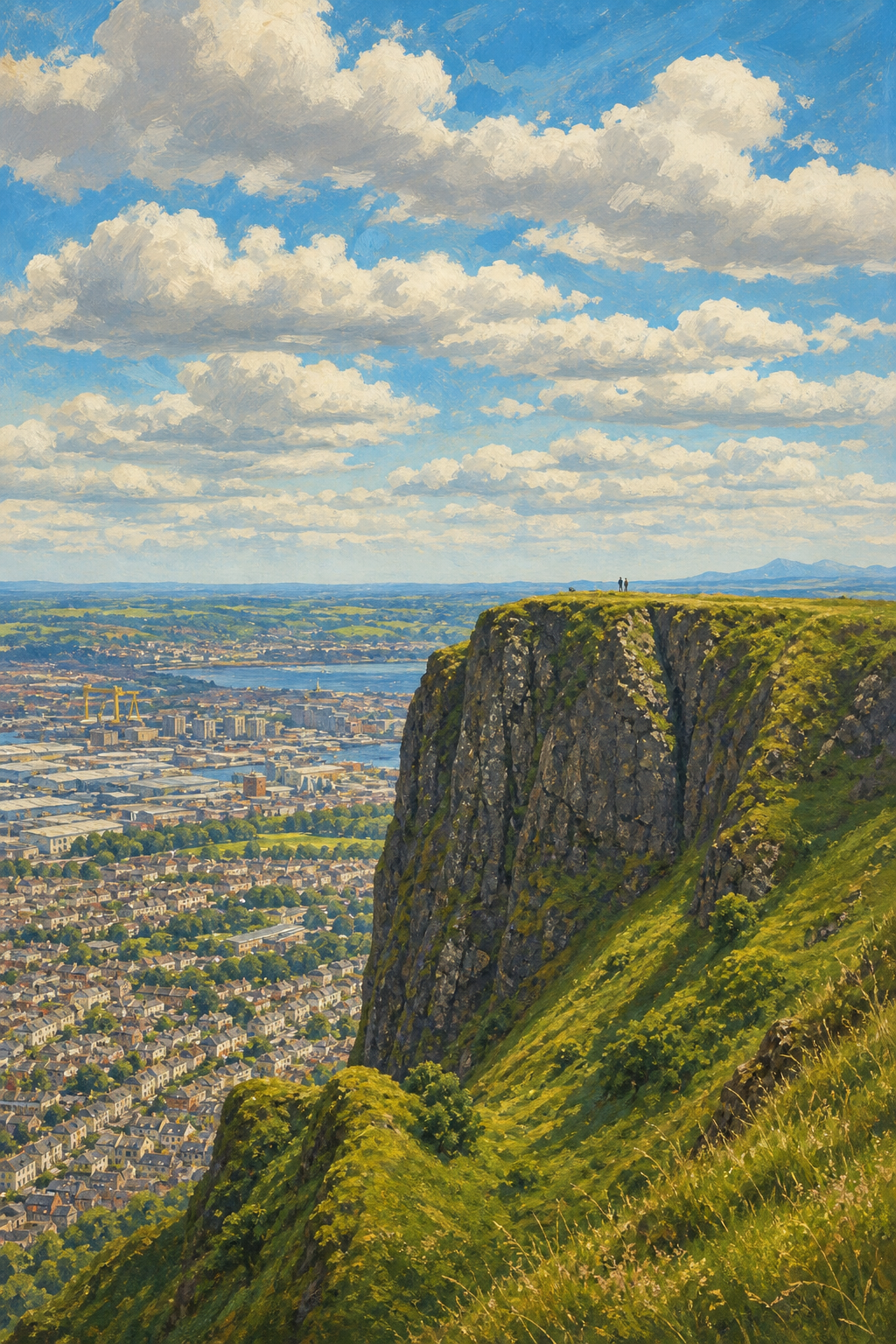
Why choose Belfast, Northern Ireland?
- Who it fits best: Solo
- Best time to go: Summer
- Ideal stay: 2-4 nights
- Weather: High impact
- Surroundings: Worth exploring
Belfast, Northern Ireland at a glance
A quick read on how well this destination fits different kinds of trips.
Who it fits
- Solo
- Couple
- Friends
- With kids
Best time to go
- Autumn
- Winter
- Spring
- Summer
How long to stay
- 2-4 nights
- 5-8 nights
- 9-14 nights
Belfast, Northern Ireland insights
Takeaways from real traveler experience in Belfast, Northern Ireland.
- Weather
- High impact
- Surroundings
- Worth exploring
- Scale
- Compact
- Planning
- Recommended
- Variety
- Broad
Discover more destinations
More from the same country, or something with a similar character.
Other destinations in United Kingdom
Discover more about Belfast, Northern Ireland
Practical and interesting facts about the destination.
Belfast offers materially different experience families within and around the city: maritime and industrial heritage, political history and murals, museums, music, theatre, food markets, shopping, university and literary areas, parks, hills, waterways and nearby countryside/coast. Visit Belfast identifies separate areas including the Cathedral Quarter, Titanic Quarter, Queen’s Quarter, Linen Quarter, Gaeltacht Quarter, North, East, South and West Belfast.
Belfast contains substantial restorative settings: Botanic Gardens, Ormeau Park, Cave Hill Country Park, Divis and Black Mountain, Colin Glen, Lagan Meadows, Victoria Park, greenways and the waterfront. Municipal sources document multiple walking routes and more than 30 open spaces.
Belfast has many realistic opportunities for social contact: traditional pubs with live music, cafés, food markets, restaurants, cocktail bars, theatres, concerts, festivals, sporting events, guided tours, food tours, workshops and shared outdoor activities.
Belfast has documented budget accommodation alongside family-friendly, boutique, luxury and spa hotels, indicating a broad accommodation ladder rather than only premium supply.
Belfast’s centre is described as compact, generally flat and walkable, with most tourist attractions within a 30-minute walk; this reduces local transport and route-planning demands for a conventional city break.
Crowd and social exposure are spatially variable rather than uniformly distributed. The most concentrated visitor and nightlife settings are likely to be the city centre, Cathedral Quarter, St George’s Market during operating periods, major attractions and event venues; outer neighbourhoods, parks, greenways, residential streets and hill areas provide alternatives. The spatial distinction is documented by Visit Belfast’s separate city-area and neighbourhood material.
Belfast has a visible premium hospitality segment including five-star hotels, boutique properties, spa hotels, premium dining, cocktail venues, afternoon tea and bespoke food or whiskey experiences.
Belfast has multiple forms of liveliness: daytime shopping and markets, cafés and restaurants, live traditional music, theatres, concerts, sports, nightlife, festivals, public art, university life and busy neighbourhood centres.
Based on real traveler preferences (Stravl data)
Looking for something else?
554 destinations across 44 countries. Search by name or filter to browse.
Click a country to see its destinations
Want to find your own destination?
Take the quiz and see which destinations fit your mood right now.