
Summer · editorial guide
Crete through its flavours
By The Tripsenti Team
Cretan cuisine is often described through a handful of familiar dishes. But its real story sits before the table — in the vineyard, the olive grove, the mountain flocks, the small dairies, the grape varieties that survived for centuries, and the products that change from place to place. If you want to get to know Crete through flavour, it's worth following production back to its source.
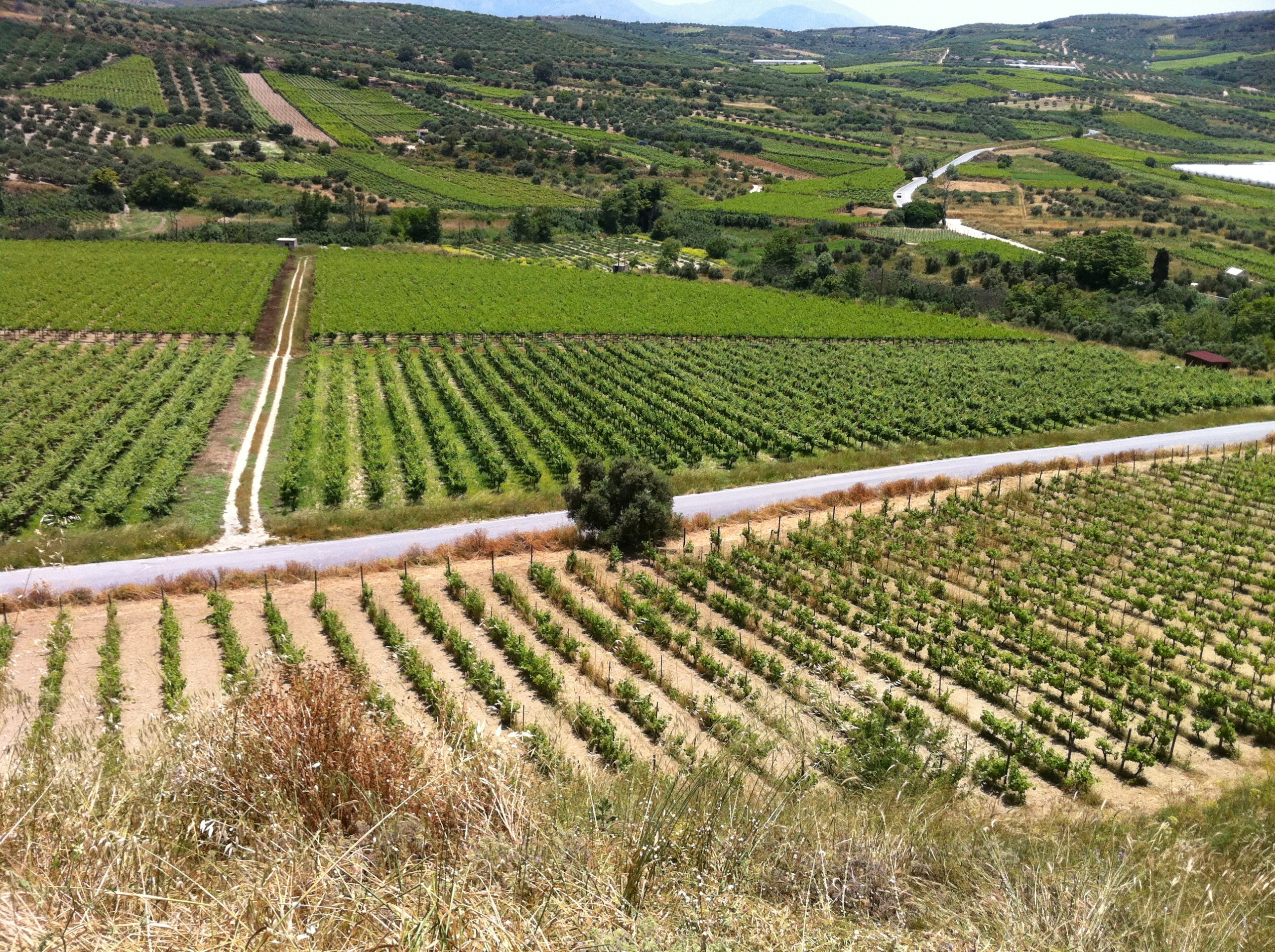
The Cretan diet isn't one dish. It's a system.
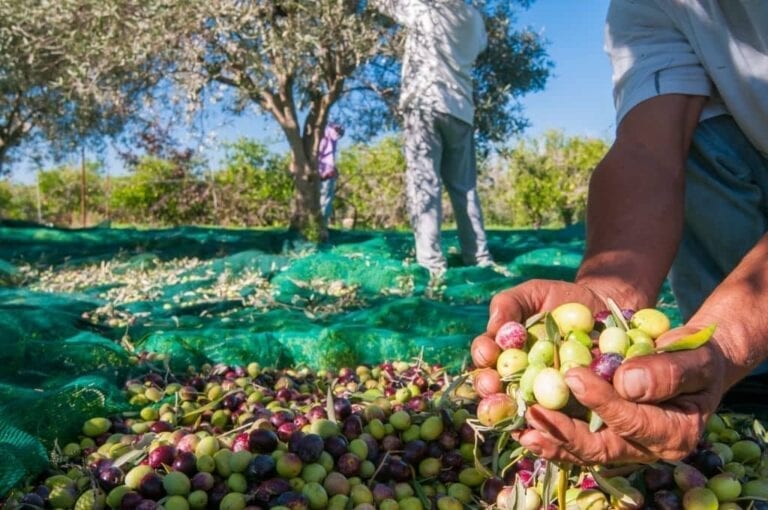
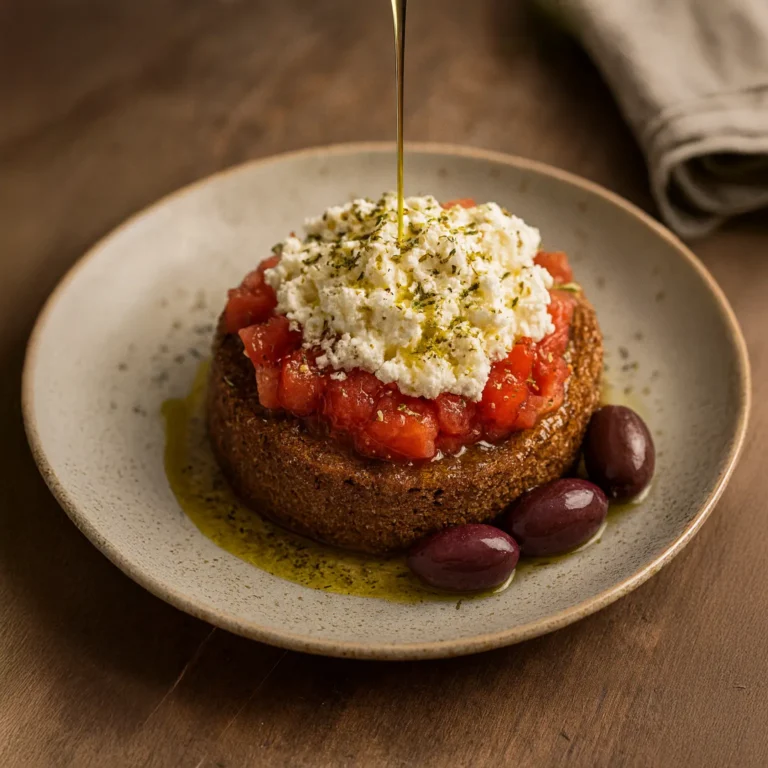
The value of the traditional Cretan diet isn't in a single "miracle" food. It's in the combination: olive oil as the main fat, plenty of vegetables and wild greens, legumes, grains, fruit, nuts, moderate amounts of dairy and fish, and a clearly smaller place for red and processed meat — the basic pattern the World Health Organization describes as the Greek version of the Mediterranean Diet.
A meta-analysis of 57 controlled trials with 36,983 adults found broadly favourable changes across metabolic health markers such as blood pressure, glucose, lipids, and inflammation. In the PREDIMED study, 7,447 people at high cardiovascular risk who followed a Mediterranean Diet supplemented with olive oil or nuts had a lower rate of major cardiovascular events compared with a low-fat diet. These studies concern the overall dietary pattern, not a single product.
Chania — Wine, olive oil, and the western face of Crete
In western Crete, Romeiko — a hardy red variety linked to the traditional marouva wine — gives Chania a wine identity distinct from that of Heraklion.
From late autumn, Crete enters olive-harvest season — nets spread out beneath the trees, and the fresh oil carries an intensity hard to find at any other time of year.
Pichtogalo Chanion: a PDO soft, tangy, fresh cheese made from goat-and-sheep milk, most meaningful when tasted in its own place.
Cretan paximadi (rusk): a protected geographical indication — the double-baking removes moisture and creates a food that keeps without refrigeration, which is why it became so closely tied to farming and seafaring communities.
Rethymno — The mountain comes to the table
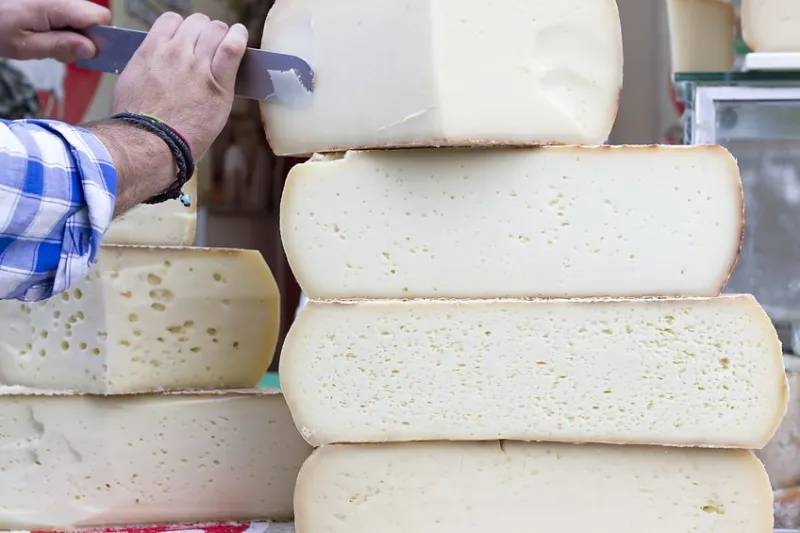
In Rethymno, especially around Psiloritis and Amari, flavour is tightly bound to livestock farming: graviera, mizithra, whey cheeses, and lamb-and-goat dishes are the result of a landscape where pastoral life remains part of the economy.
Graviera Kritis is PDO, but its taste changes with the altitude of the pastures, the season, and the ageing.
Xinomizithra Kritis: a distinct PDO cheese made from whey with added milk — tangy and fresh, different from sweet mizithra.
Wild greens and plants — stamnagathi, vrouves, dandelion greens — appear seasonally on the table and are a good example of the diet's variety.
Heraklion — The great workshop of Cretan wine
The Archanes, Peza, and Dafnes zones hold much of the island's viticultural history and much of the modern revival of native grape varieties: Vidiano as one of the most recognisable white varieties, aromatic Dafni, and Plyto, saved from near-extinction.
Winegrowing in Crete has a documented continuity since the Minoan period — not because today's wine is "ancient," but because the vine has been a stable part of the landscape for millennia.
Lasithi — Liatiko, Thrapsathiri, and Crete's most eastern flavour
In Sitia, Liatiko (dry and sweet wines) and Thrapsathiri (white wines) are tied to the region's designation of origin — a sense of productive landscape that the distance from tourist centres helps preserve.
Sitia PDO: "Sitia Lasithiou Kritis" is a registered Protected Designation of Origin — the extra virgin olive oil is produced exclusively from Koroneiki olives, under specific physicochemical and organoleptic limits.
In Kritsa, the Agricultural Olive Cooperative (founded in 1927) processes the olives on the same day they are harvested — decisive for the quality of the final oil.
When it is most worth travelling for the flavour
Spring: the interior is green, wild greens and aromatic herbs are at their best.
Summer: the easiest season for wineries and gastronomic routes, with harvest beginning toward late August depending on variety and altitude.
Autumn: September and October are excellent for anyone interested in the vineyard and the grape harvest, with less tourist pressure.
Winter: the olive harvest shifts the centre of gravity to the fields and the presses — the most interesting season to see Crete as a productive place.
Ταιριάζει αν
- You want to understand where the flavour comes from, not just try dishes.
- You're interested in PDO products, small producers, and cooperatives.
- You have time to move slowly through the interior, outside peak tourist season.
Ίσως όχι αν
- You just want a ready-made list of "the best restaurants."
- You're only travelling in July–August and can't adapt to the seasonality of production.