
Crete: the more you discover it, the more it grows
By The Tripsenti Team
Crete is one of those places that resists being told in a single story. You can get to know it through its mountains and gorges, through ancient cities and Minoan traces, through the vineyard, the olive oil, and the mountain villages. Every time you change the question, the same place gives a different answer. And that's roughly where the real trip begins.
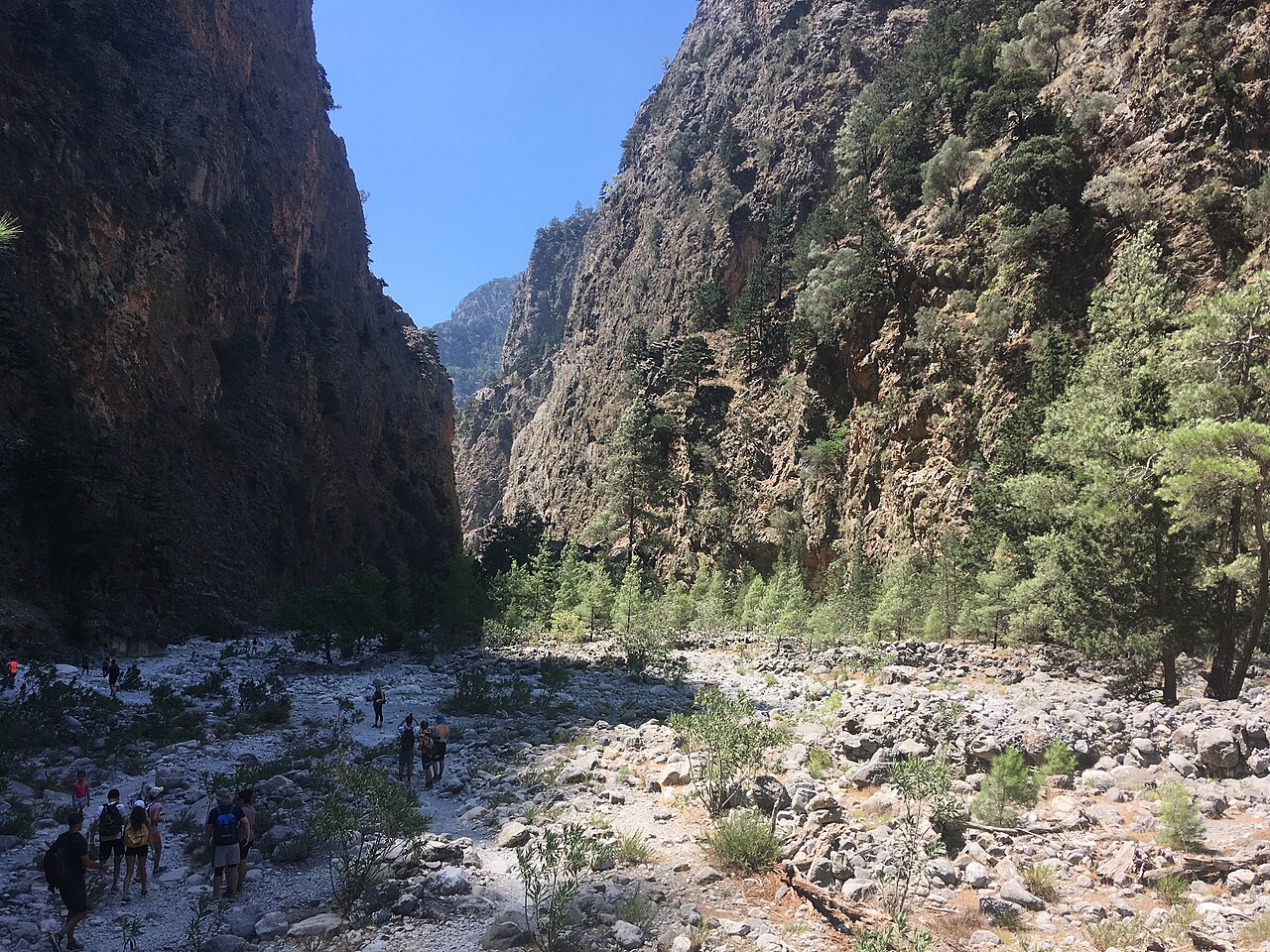
Crete changes from place to place
There is the Crete you see from the road, and the one that begins once you leave it. The Crete of the coastal towns and the Crete of the mountain communities. The Crete of the tourist season, and the Crete of the grape harvest, the olive harvest, the winter villages, and the high mountains.
This feature doesn't try to squeeze the island into a list of "the best." Its goal is to show how many different sides the same trip can take on when you approach it through a specific interest, and leave more room for the place itself.
The season changes the experience
Crete in May isn't the same as Crete in August. In spring the interior is green and hiking routes take on a different character. Late summer and autumn bring the grape harvest. From November, the olive harvest carries the island's life out into the fields and the presses. In winter, the high mountains take on conditions that have nothing to do with the beaches a few dozen kilometres away.
That's why the best time to get to know Crete depends on what you want to discover — not just on when you can take a holiday.
Four regional units, four different characters
Chania: the White Mountains, a southern coast without roads, ancient Aptera, Lissos, western Cretan wine, and mountain villages.
Rethymno: Psiloritis, ancient Eleutherna, Amari, mitata shepherd huts, a pastoral landscape, and an interior that completely changes the picture of the region.
Heraklion: Knossos, Phaistos, Gortyna, Zaros, Rouvas, and most of contemporary Cretan wine country.
Lasithi: Zakros, Sitia, geo-routes, olive groves, eastern coastlines, and a more remote face of the island.
Don't try to see it all
In Crete, an overly long list often works against the trip itself. The distances, the terrain, and the island's sheer variety mean that a day full of constant movement can show you more points but less place.
Pick one region or one interest and give it time. Walk more, try local products, learn the history of the place, and stay long enough that the distances between points stop being just transfers and become part of the trip.
Crete doesn't end on the first visit
And that may be its most interesting trait. You can come back for a different reason and feel like you're on a different island. The more you discover it, the more it grows.